



Top tips to manage your child’s asthma with a personalised care plan
Managing your child’s asthma can feel overwhelming, especially when every day brings new challenges. With a personalised care plan from Healthy Haven Family Clinic, you gain clear, practical steps tailored to your child’s needs. From mastering inhaler and spacer technique to spotting asthma triggers in children, we’re here to support your family’s health with genuine care. Let’s walk you through simple asthma management tips that make a real difference.
Understanding Childhood Asthma

Childhood asthma can be complex, but understanding it is the first step in managing it effectively. Let’s explore what signs to watch for and what might trigger an asthma attack in your child.
Signs and Symptoms to Watch For
Recognising the signs of asthma early can prevent severe episodes. Wheezing and coughing, especially at night, are common symptoms. You might also notice your child experiencing shortness of breath or a tight feeling in their chest. These symptoms can vary from mild to severe and often worsen with exercise or cold air.
Some children may have symptoms so mild that they’re dismissed as a lingering cold. Pay attention if these signs persist over time. In such cases, consult your family GP to assess whether asthma is the cause. Getting a proper diagnosis is crucial for effective management and gives your child the best chance at leading an active, normal life.
Common Asthma Triggers in Children
Understanding what triggers asthma in your child can significantly reduce flare-ups. Allergens like pet dander and pollen are common culprits, as are irritants like tobacco smoke and air pollution. Even strong smells from cleaning products can trigger symptoms.
Sometimes, physical activity or sudden weather changes can set off an asthma attack. It’s essential to know these triggers so you can adjust your child’s environment. Keep an eye out for patterns: does a particular season worsen symptoms? This awareness will help you create a more controlled environment for your child.
Creating a Personalised Care Plan

Addressing your child’s unique needs with a personalised care plan is crucial. This plan will be your roadmap for handling asthma day-to-day and during flare-ups.
Importance of an Asthma Action Plan
An asthma action plan is vital: it’s your guide for managing asthma daily and during attacks. This plan outlines specific steps to take when symptoms worsen, including medication use and when to seek emergency help. It also helps you communicate effectively with caregivers and teachers, ensuring everyone is on the same page.
Creating this plan involves working closely with your GP. They’ll assess your child’s specific triggers and symptoms to tailor a strategy just for you. This personalised approach ensures that you’re not just reacting to symptoms, but actively managing them. Learn more about asthma action plans here.
Checking Inhaler and Spacer Technique
Proper inhaler and spacer technique is crucial for effective asthma management. Using these devices correctly ensures your child gets the right dose of medication every time. Many parents assume they’re using these tools correctly, but a quick check with your GP can make a big difference.
Practice the technique together at home. Make it fun: use a mirror to watch each step. If you’re new to this, don’t worry. Most clinics, including Healthy Haven Family Clinic, offer demonstrations and support to help you get it right. Consistent use and technique will maximise the benefits for your child, keeping symptoms at bay.
Everyday Asthma Management Tips
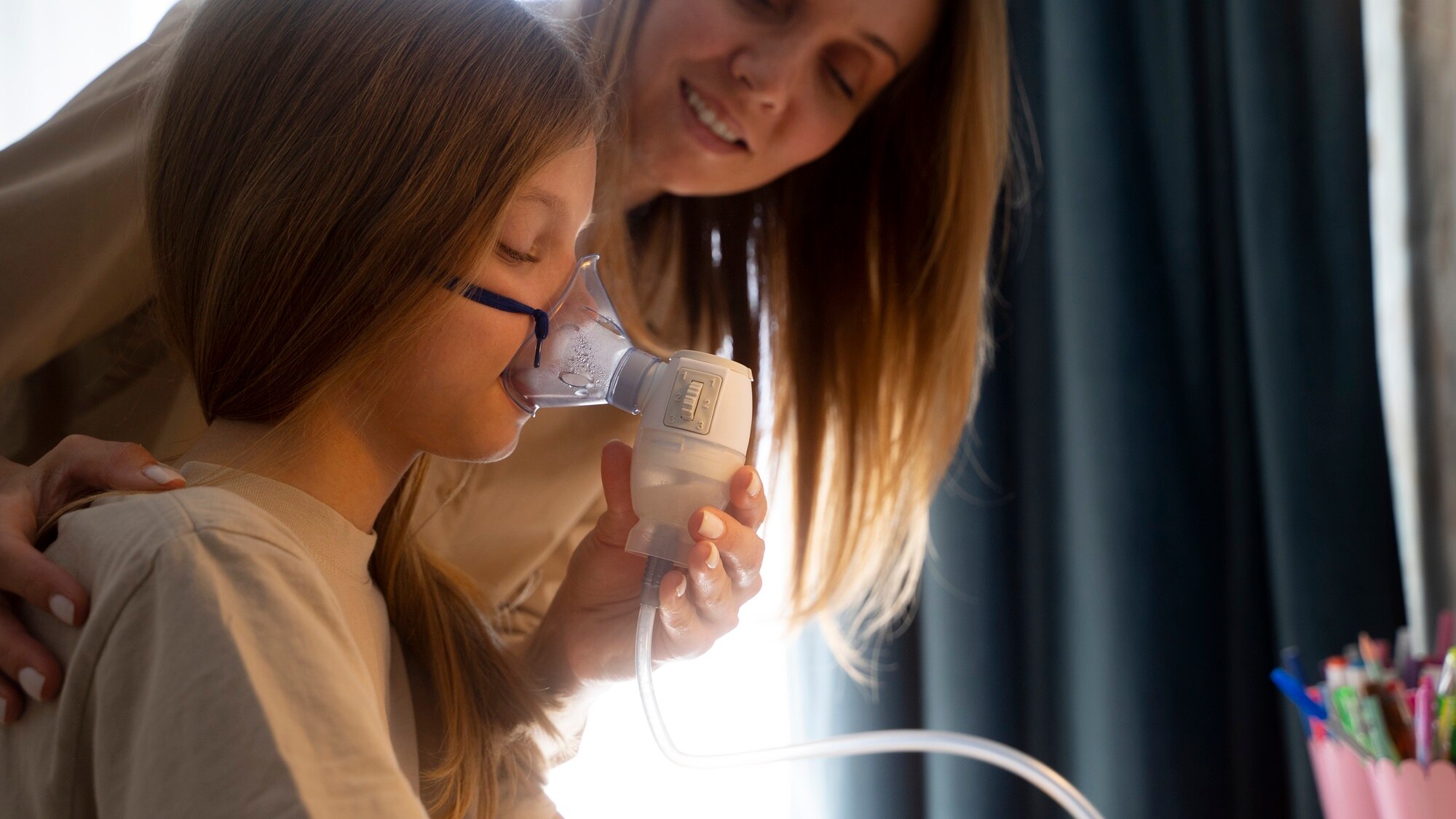
Asthma management is ongoing, and making small changes in lifestyle and routine can greatly benefit your child. Here are some everyday tips to make life easier.
Healthy Lifestyle and Environment
Creating a healthy lifestyle and environment can reduce asthma symptoms. Ensure your child’s diet is rich in fruits and vegetables, which support immune health. Regular physical activity is important, but always monitor your child for any exercise-induced symptoms.
Keep your home environment clean and free from allergens. Regularly vacuum carpets and wash bedding in hot water. Consider using air purifiers to reduce dust and pollen levels. By making these changes, you create a space where your child can breathe easier and live healthier.
Regular Check-ups with Your Family GP
Routine check-ups with your family GP are essential for ongoing asthma management. These visits allow for monitoring of your child’s progress and adjustment of treatment plans as needed. Regular consultations ensure that any changes in symptoms or triggers are promptly addressed.
If you’re in the Hoppers Crossing area, Healthy Haven Family Clinic offers comprehensive care tailored to your family’s needs. Regular visits build a trusting relationship with your healthcare provider, making it easier to address any concerns you may have. The longer you wait between check-ups, the more challenging managing asthma can become, so stay proactive.
By taking these steps, you can help your child lead a more active and healthy life. Remember, you’re not alone in this journey—our team at Healthy Haven Family Clinic is here to support you every step of the way.